

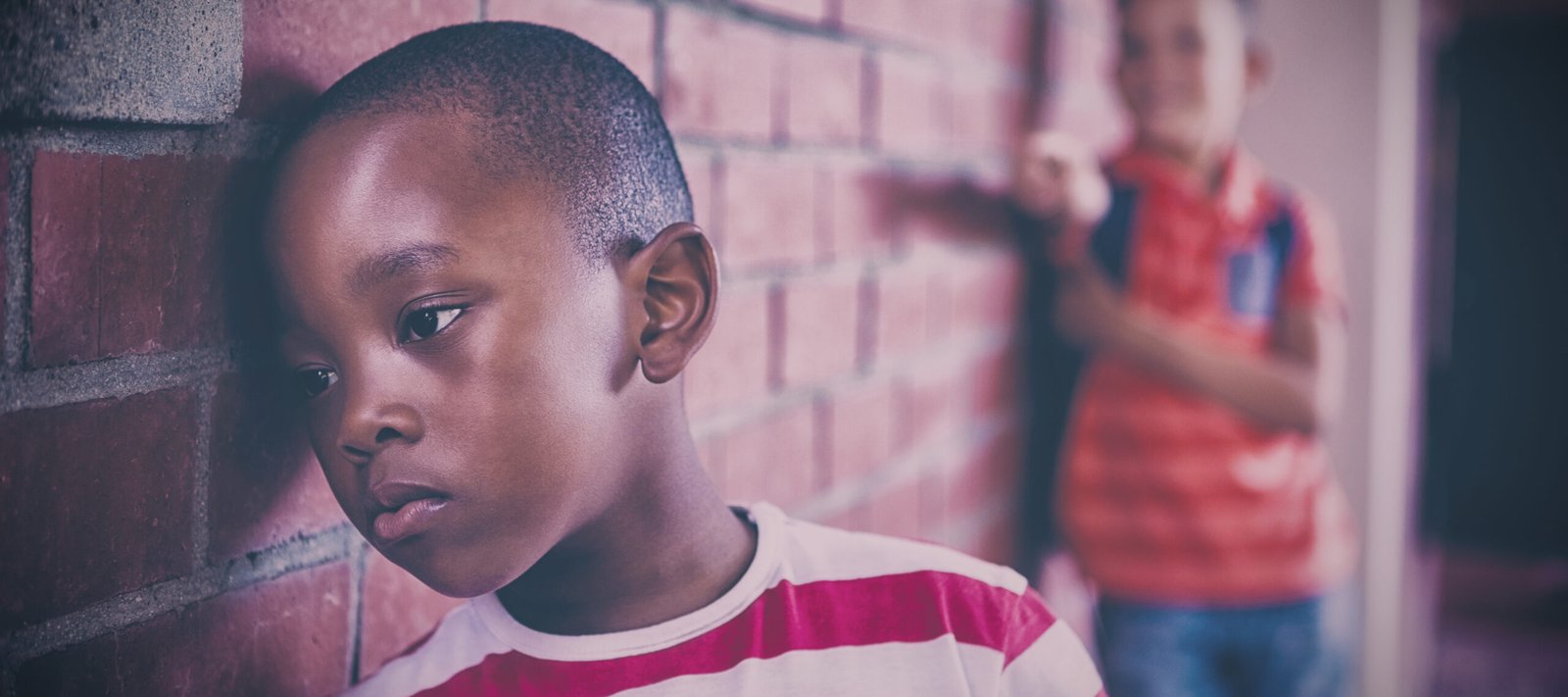
Mental Health Issues in Children
Caused by Bullying
Bullying is not a normal part of growing up. Its effects can be serious, lasting, and deeply painful — and every child deserves to be safe.

"Bullying can affect how a child sees themselves, how safe they feel, and who they become. The effects are not small — and silence does not mean it is not happening."
Bullying can have a serious impact on a child's emotional, social, and mental wellbeing. While some people may dismiss bullying as a normal part of growing up, the effects can be long-lasting and deeply painful. Children who are bullied may experience fear, shame, sadness, anger, confusion, and isolation. Over time, bullying can affect how they see themselves, how they relate to others, and how safe they feel at school, online, or in their community.
What Is Bullying?
Bullying is repeated behaviour that is meant to hurt, embarrass, threaten, control, or exclude another person. It can happen in person, online, at school, on the bus, in sports programs, in community spaces, or through social media.
Verbal Bullying
Name-calling, teasing, insults, threats, or humiliation directed at a child.
Physical Bullying
Hitting, pushing, tripping, damaging belongings, or intimidation.
Social Bullying
Excluding a child, spreading rumours, embarrassing them publicly, or turning others against them.
Cyberbullying
Harmful messages, embarrassing content, online harassment, or using social media to target a child.
Discriminatory Bullying
Targeting a child because of race, culture, religion, disability, gender, appearance, language, or identity.
When Is It Bullying?
Bullying is not harmless joking when a child feels afraid, ashamed, unsafe, or repeatedly targeted.
How Bullying Affects Children's Mental Health
Bullying can affect a child's thoughts, emotions, behaviour, relationships, sleep, and school performance. Some children speak openly about what is happening, while others may stay silent because they feel embarrassed, afraid, or unsure if adults will believe them.
Anxiety and Constant Worry
A child who is being bullied may begin to feel anxious before school, during recess, on the bus, or whenever they go online. When a child is constantly on alert, their body and mind remain in a stress response — making it harder to relax, focus, learn, and feel safe.
- Frequent worrying or nervousness
- Fear of going to school
- Stomach aches or headaches before school
- Trouble sleeping or panic attacks
- Avoiding certain places, people, or activities
Depression and Sadness
Bullying can make a child feel rejected, unwanted, powerless, or alone. Over time, this can contribute to depression or ongoing sadness. Children may not always say "I am depressed" — instead, they may become quiet, withdrawn, irritable, or emotionally overwhelmed.
- Loss of interest in activities they used to enjoy
- Low energy, changes in sleep or appetite
- Feeling hopeless or worthless
- Saying things like "Nobody likes me" or "I don't matter"
Low Self-Esteem and Shame
Children are still developing their sense of identity and self-worth. When bullied, they may begin to believe the negative things being said about them — stopping speaking up in class, avoiding new activities, or believing they are not smart, capable, or worthy.
- Comparing themselves negatively to others
- Feeling ashamed even though bullying is not their fault
- Avoiding trying new activities or friendships
Trauma Symptoms
Bullying can be traumatic, especially when it is repeated, severe, threatening, or ignored by adults. A child who feels unsafe for a long period may develop trauma-related symptoms — particularly when bullying is connected to race, disability, gender, or identity.
- Nightmares or trouble sleeping
- Emotional numbness or sudden fear
- Difficulty trusting others
- Strong reactions to teasing or conflict
School Avoidance and Academic Struggles
Bullying can make school feel unsafe. A child may begin avoiding school, skipping classes, asking to stay home, or complaining of feeling sick. When a child's grades drop, it is important to look beyond academics and ask what may be happening emotionally.
- Difficulty concentrating and declining grades
- Fear of participating in class
- Frequent absences and reduced motivation
Anger, Irritability, and Behaviour Changes
Not every child responds to bullying by becoming quiet. Some become angry, defensive, or emotionally reactive. This does not mean they are "bad." It may mean they are hurting. Instead of only asking "What is wrong with this behaviour?" — ask "What happened to this child, and what support do they need?"
Social Withdrawal and Loneliness
Children who are bullied may pull away from friends, family, and activities. They may stop trusting others or feel like they do not belong. Loneliness increases emotional distress. Children need safe, supportive relationships where they feel accepted, included, and protected.
Sleep Problems and Physical Symptoms
Children often express emotional pain through their bodies. A child being bullied may not always say they are afraid, but their body may show signs of stress — especially when symptoms appear suddenly or happen often.
- Headaches, stomach aches, nausea, fatigue
- Trouble falling asleep or nightmares
- Changes in appetite or feeling sick before school

Warning Signs Parents and Caregivers Should Watch For
A child may not always tell an adult they are being bullied. They may fear retaliation, feel embarrassed, or worry they will not be believed.
- Refusing or begging not to go to school
- Unexplained injuries or damaged belongings
- Frequent headaches or stomach aches
- Changes in mood, sleep, or appetite
- Declining grades or loss of interest in school
- Withdrawing from friends or family
- Increased anger, sadness, or anxiety
- Negative self-talk or expressions of hopelessness
- Talking about self-harm, death, or not wanting to be here
Take it seriously. If there is immediate danger, call 911 or go to the nearest emergency department. In Canada, call or text 9-8-8 for 24/7 suicide crisis support.
How Parents and Caregivers Can Help
Listen Calmly
Let the child explain what happened without interrupting, blaming, or minimizing. Say: "I believe you. Thank you for telling me. This is not your fault. You do not deserve to be treated this way. We will work through this together."
Document the Bullying
Write down dates, times, locations, names, screenshots, messages, and witnesses. Documentation helps when speaking with a school, program, or online platform.
Contact the School or Organization
Ask for a meeting with the teacher, principal, counsellor, or program leader. Request a clear plan to keep the child safe and prevent retaliation.
Build the Child's Confidence
Remind the child of their strengths, talents, identity, and worth. Encourage activities where they feel capable, connected, and valued.
Seek Mental Health Support
If bullying is affecting the child's mood, sleep, confidence, behaviour, or school experience, counselling can help. A child therapist can support the child in processing fear, sadness, anger, shame, or trauma.
How Schools Can Support Children
- Take reports of bullying seriously and respond quickly
- Create safe, confidential reporting systems
- Protect children from retaliation
- Provide access to school counsellors or mental health supports
- Communicate clearly with parents and caregivers
- Teach empathy, respect, inclusion, and emotional regulation
- Follow up after incidents are reported
When to Get Professional Help
Consider reaching out to a mental health professional if a child seems anxious, sad, angry, or withdrawn for more than a short period, refuses to attend school, has frequent physical symptoms, shows sudden changes in behaviour, or talks about self-harm or not wanting to live.
Frequently Asked Questions
Crisis & Support Resources

Author: BMHC
None

